


FaithFi: Faith & Finance
3.685.00 Reviews
App Specs
- Version
- 5.1.3
- Updated On
- License
- Free
- Downloads
- 10,000+
- Developer
- FaithFi: Faith & Finance
- Categories
- Finance
- Platform
- Android
Screenshots



 Analysis by AppCompare
I judge a money app by what it helps me do on an ordinary day: notice a spending pattern, make a decision with less stress, and keep a budget connected to real priorities. FaithFi: Faith & Finance is designed for people who want that practical work to sit alongside Christian reflection. Its appeal is not simply that it tracks money, but that it treats financial choices as part of a wider set of values. That can make budgeting feel more personal, though it also means this is not the most neutral or stripped-down option for everyone.
A faith-centered approach to everyday money
FaithFi is a finance app from FaithFi: Faith & Finance. The current version is 5.0.3, and it is free to install, with in-app purchases ranging from $3.99 to $11.99 per item. It is rated for Everyone and has an average rating of 3.7 from 148 ratings, with 10K+ installs. Those figures suggest a modest, established audience rather than a finance app that everyone already relies on. I would treat that as context, not a verdict: the more important question is whether its faith-oriented approach matches the way you want to handle money.
For someone who already looks to Christian teaching when thinking about generosity, spending, debt, or long-term plans, that perspective can make the app feel more relevant than a conventional budget tracker. If you prefer finance software to stay strictly numerical, however, devotional material and community features may feel like extra layers rather than useful guidance. The distinction matters because a budgeting routine only works when you are comfortable returning to it.
Getting Started with FaithFi
First things first, downloading FaithFi: Faith & Finance is a breeze. Available on both Android and iOS, you can find it on the Google Play Store and Apple’s App Store. Once you have it on your device, the setup process is straightforward. The app greets you with a warm, inviting interface that’s easy on the eyes. It feels like a friendly companion ready to guide you through the world of budgeting with a touch of spirituality.
I appreciated the initial walkthrough. It’s like having someone hold your hand as you explore its features. You start by setting up your profile and linking your bank accounts. Don't worry; the app assures you of privacy and security, which is always a relief in this digital age.
Features You’ll Love
Now, let’s dive into the features. The app is packed with tools that help you manage your finances effectively. Budgeting is at its core, but it goes beyond just numbers and spreadsheets.
One of the standout features is the faith-based budgeting. It encourages you to align your financial goals with your spiritual values. The app provides devotional content and scriptures that resonate with financial themes. It’s like having a financial advisor and spiritual mentor rolled into one neat package.
Worth Reading Before You Choose

Flipboard Shows What News Apps Must Do Beyond the Feed

Switching to Android Auto Means Rethinking Your Driving Routine

Google Calendar Makes a Crowded Week Easier to Manage

Ludo King Makes the Most of the Minutes Between Plans

Baby Panda World Brings Quick Play to Modern Phones, but Its Game Library Feels Busy

ESPN’s Live Game View Makes Following Close Games Easier
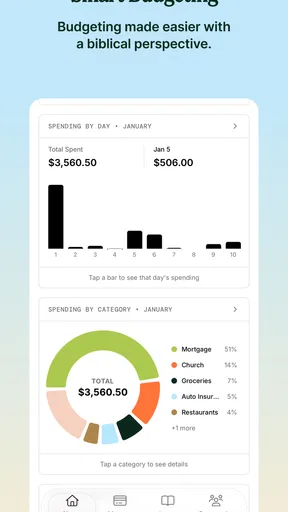
Another feature that caught my attention is the spending tracker. It categorizes your expenses, helping you see where your money goes. It's eye-opening, let me tell you! Plus, you can set up alerts and reminders to keep you on track.
Planning for the future? The app’s goal-setting feature is just the ticket. Whether it’s saving for a mission trip or just a rainy day, you can create goals and watch your progress. It’s motivating to see those little bars fill up as you get closer to your targets.
Turning the tools into a useful routine
The best way to get value from a budget is to give it a rhythm. I would start by using the spending categories as a review tool rather than treating every transaction as a test of discipline. At the end of a week, look for one category that surprised you and decide whether it deserves a change next week. This keeps the app’s tracker focused on a practical question—what should I do differently?—instead of turning a collection of numbers into guilt.
Alerts work best when they prompt a decision you can actually make. A reminder to check a goal or review a category can help, while too many nudges can become background noise. I would begin with only the reminders tied to an important habit, then add more only if they prove useful. That small setup choice can make a personal finance app feel like support rather than another source of pressure.
A realistic example: imagine payday arrives while you are also planning a church contribution, groceries, and a repair you have been putting off. You can use the budget to see how those commitments sit beside one another, then set a savings goal for the repair rather than relying on memory. The faith-centered material may give you a useful moment to think about priorities, but the final decision still needs to reflect your household’s actual income and obligations. I see that separation as healthy: reflection can inform a plan, but it cannot replace one.
The Community Factor
What makes this app truly special is its community aspect. You can join groups, participate in discussions, and even share your own experiences. It’s a supportive environment where you can learn and grow together. The app includes a prayer wall, where users can post and respond to prayer requests. It adds a personal touch that’s missing in most financial apps.
And let’s not forget the educational resources. FaithFi offers podcasts, articles, and videos that cover a range of topics from debt management to investing, all with a faith-based perspective. It's like a financial library at your fingertips.
Where it differs from a standard budget tracker
Most mainstream finance apps put the emphasis on dashboards, transaction sorting, bill visibility, or detailed control over categories. FaithFi’s distinctive value is the combination of budgeting with devotional resources and a community space. That makes it a better fit if you want a values-led routine and appreciate learning in the same place you review spending. A conventional tracker may be the better choice if you mainly need fast account analysis, extensive customization, or a purely practical interface without spiritual content.
I would also keep the roles of the community and the budget separate. A discussion or prayer request can offer encouragement, but it is not a substitute for private financial advice, and other users’ situations may not resemble yours. For personal decisions, use the app’s educational material as a starting point for questions, not as a guarantee that a particular money choice is right for you.
Who is likely to get the most from it?
I can see FaithFi working particularly well for someone who wants to build a regular budgeting habit and prefers Christian perspectives to be part of that process. It may also suit a person setting a concrete savings goal, such as preparing for a trip or building a rainy-day cushion, who finds visual progress motivating. If you are sharing household decisions, it can be a prompt to discuss what matters before you start moving figures around, even if you still use another tool for the detailed accounting.
On the other hand, I would skip it if you want a purely secular money manager, need highly granular budget controls, or find social features distracting. It is also not a replacement for a tax professional, debt counselor, or investment adviser when a decision has serious consequences. The educational content can help you think through a topic, but a broad resource library is not the same thing as tailored advice.
My Two Cents
In a world where financial stress is all too common, having an app like FaithFi is a breath of fresh air. It’s more than just a budgeting tool; it’s a holistic approach to managing your finances while staying grounded in your faith. The app’s unique blend of practical tools and spiritual content sets it apart from the crowd.
Sure, it’s not perfect. Sometimes the interface can lag a bit, and I found myself wanting more customization options in the budgeting section. But these are minor quibbles in the grand scheme of things.
Those limitations are worth considering before you move your entire money routine into it. A laggy screen can interrupt a quick check, and limited customization can become frustrating if your budget depends on unusual categories or precise rules. I would try it with a small, repeatable task first—such as checking weekly spending or tracking one savings goal—before deciding whether it deserves to become your main finance app.
What I would keep an eye on
The app’s version history is a useful reason to judge the current experience rather than assume it is frozen in time: version 5.0.3 follows its release on August 31, 2020. That establishes a product with a continuing version line, but it does not tell me which individual changes arrived along the way. For someone already using it, the sensible approach is to check whether the current budgeting flow, community spaces, and educational material still suit their habits instead of relying on an old impression.
If you are considering an in-app purchase, I would first decide what you need from the free experience and whether a paid item would address a specific limitation for you. The listed price range is $3.99 to $11.99 per item, so it is worth checking the purchase details in the app before committing. I would not pay simply because a feature sounds appealing; I would pay only when it supports a routine I have already found useful.
Overall, if you’re looking for a way to align your financial journey with your spiritual one, give FaithFi a try. It’s like having a financial planner and a spiritual guide right in your pocket. Who knew managing money could feel so fulfilling?
Ready to take that step? You can download FaithFi: Faith & Finance today and start turning your financial goals into reality with a little divine inspiration.
Pros
- Intuitive interface for easy navigation.
- Comprehensive financial planning tools.
- Faith-based guidance for budgeting.
- Syncs with multiple bank accounts.
- Customizable financial goals.
Cons
- Limited offline functionality.
- Requires account setup to start.
- Some features locked behind paywall.
- Occasional syncing delays reported.
- Limited customer support options.
FAQs for FaithFi: Faith & Finance
What features does FaithFi offer to help manage finances?
FaithFi provides a variety of features aimed at helping users manage their finances in a faith-based context. It includes budgeting tools, expense tracking, financial planning resources, and integration with financial institutions for seamless account management. Additionally, the app offers community support and educational content to guide users in making sound financial decisions.
Is FaithFi suitable for all denominations?
Yes, FaithFi is designed to cater to users from various Christian denominations. The app focuses on general Christian financial principles and offers resources that can be applied universally. Its goal is to help users align their financial practices with their faith, regardless of specific denominational teachings.
How secure is my financial information on FaithFi?
FaithFi prioritizes the security of its users' financial data by implementing advanced encryption and security protocols. The app uses bank-level security measures to ensure that your data is protected from unauthorized access. Additionally, FaithFi does not store sensitive information on its servers, further safeguarding user privacy.
Does FaithFi offer financial advice or investment services?
FaithFi focuses on providing financial education and tools rather than personalized financial advice or investment services. While the app offers resources to guide users in making informed decisions, it does not replace professional financial advice. Users are encouraged to consult with a financial advisor for personalized guidance specific to their situation.
Are there any subscription fees for using FaithFi?
FaithFi offers both free and premium versions of the app. The free version provides access to basic financial management tools, while the premium version includes additional features such as advanced budgeting options and exclusive content. Subscription fees for the premium version are competitive and contribute to the ongoing development and support of the app.


